Perfect Giddimani x Sinky Beatz · single
A musical history course saluting the greats who built roots reggae, from one of reggae’s most prolific artists.
Listen on: Spotify · Apple Music · YouTube
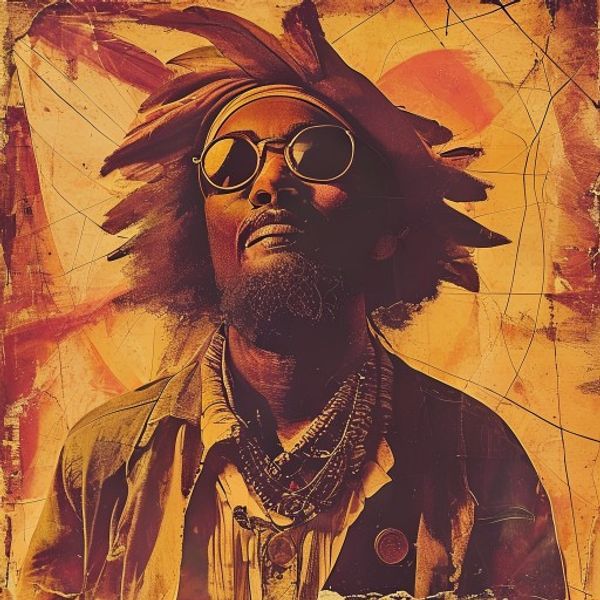
Perfect Giddimani x Sinky Beatz · single
A musical history course saluting the greats who built roots reggae, from one of reggae’s most prolific artists.
Listen on: Spotify · Apple Music · YouTube
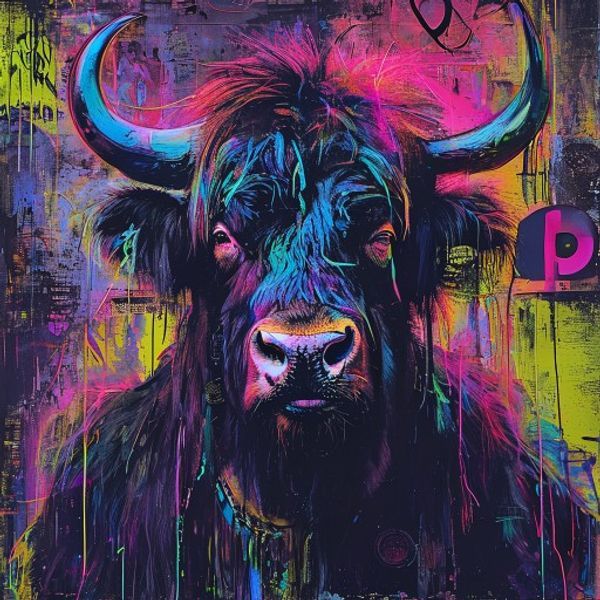
Yaksta x TrackStarr · single · Released 2026-04-26
Yaksta chops through the Abudahbi Riddimusic with urgency, truth, and social commentary on this April 2026 release.
Listen on: Spotify · Apple Music · YouTube
Stand-in comic issue for admin dashboard verification. A graphic tale of sound systems, late-night dubs, and the Brooklyn streets.
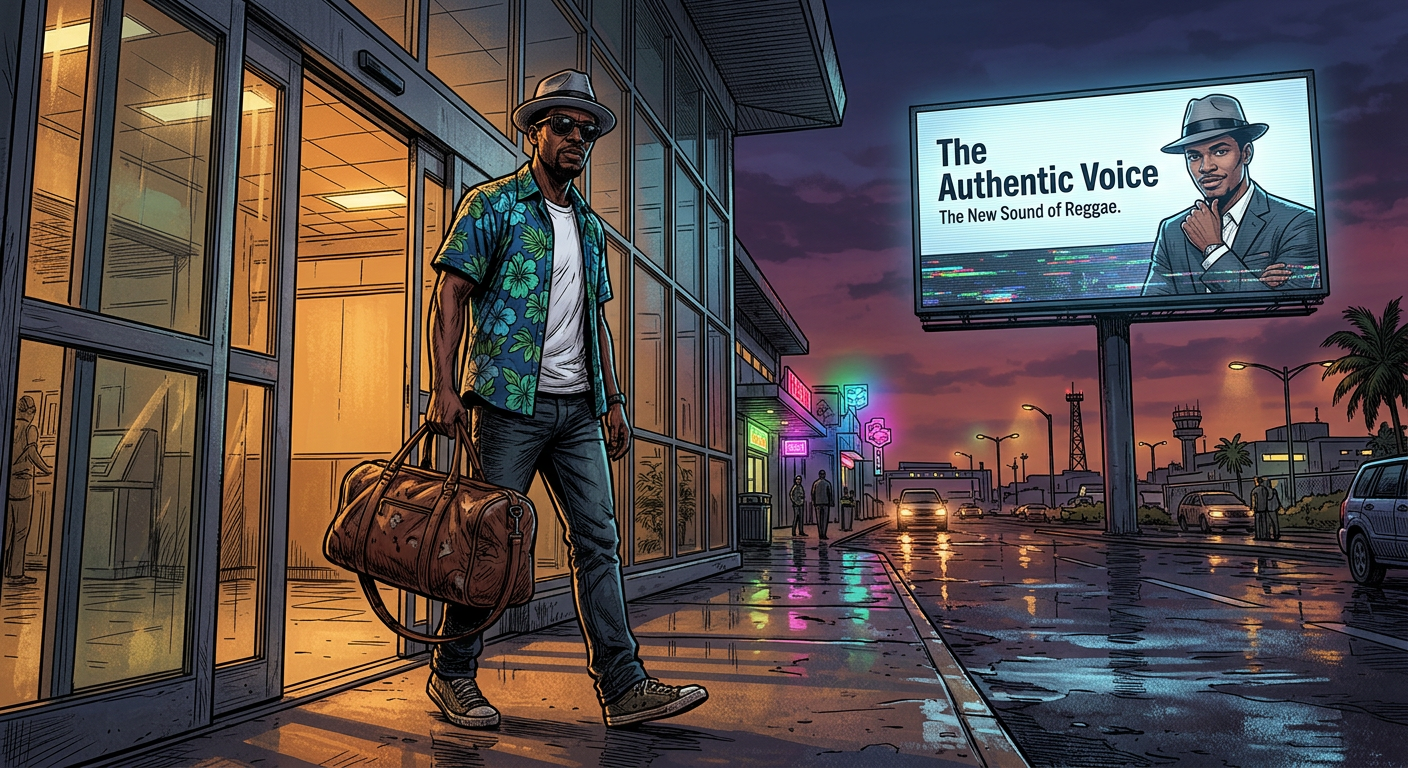
They say you can’t go home again. But when your name is being sold to the highest bidder, home calls you back. The Kingston air hits heavy—thick with exhaust, salt, and lies.
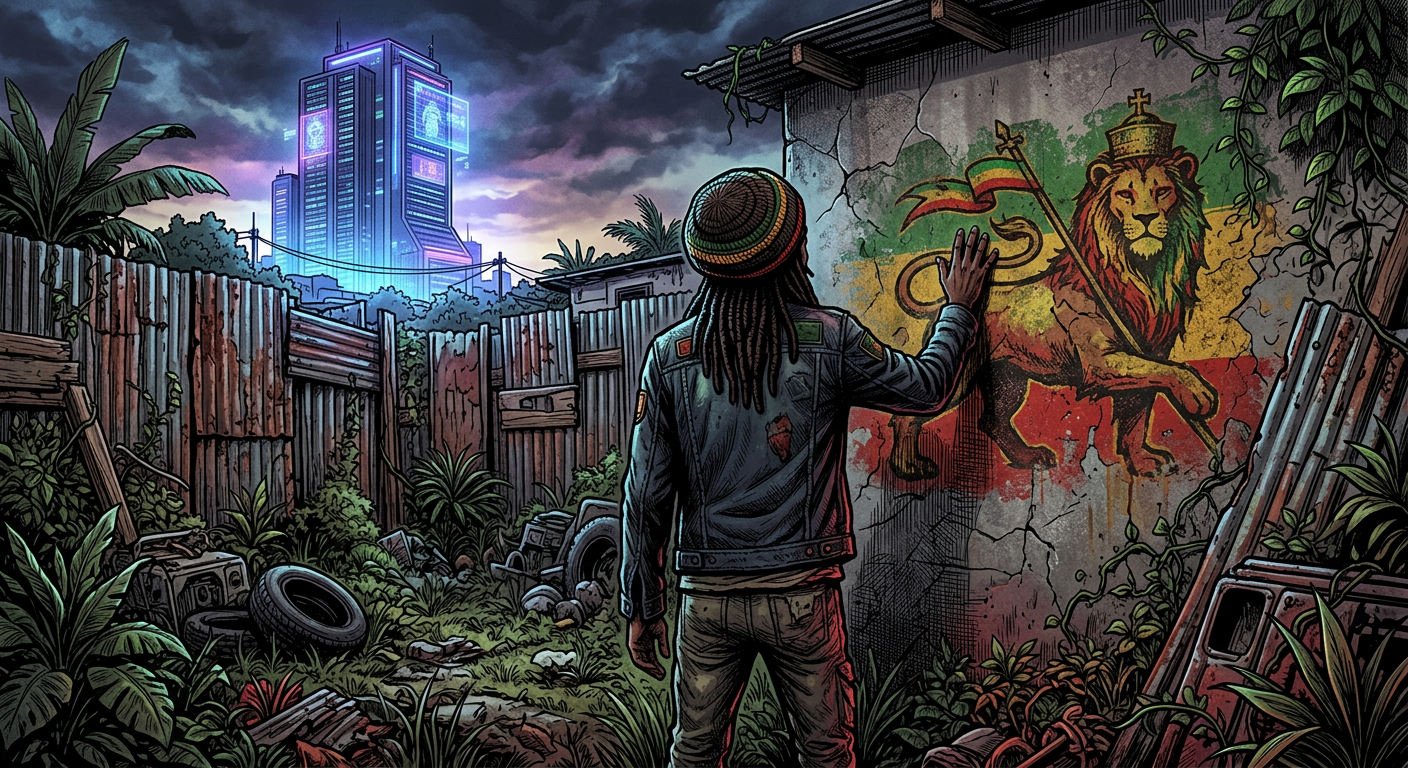
My childhood yard. Empty. The zinc fences rust in silence while luxury condos shadow the roots. They paved over the grit and called it ‘progress.’ But the soil remembers the rhythm.
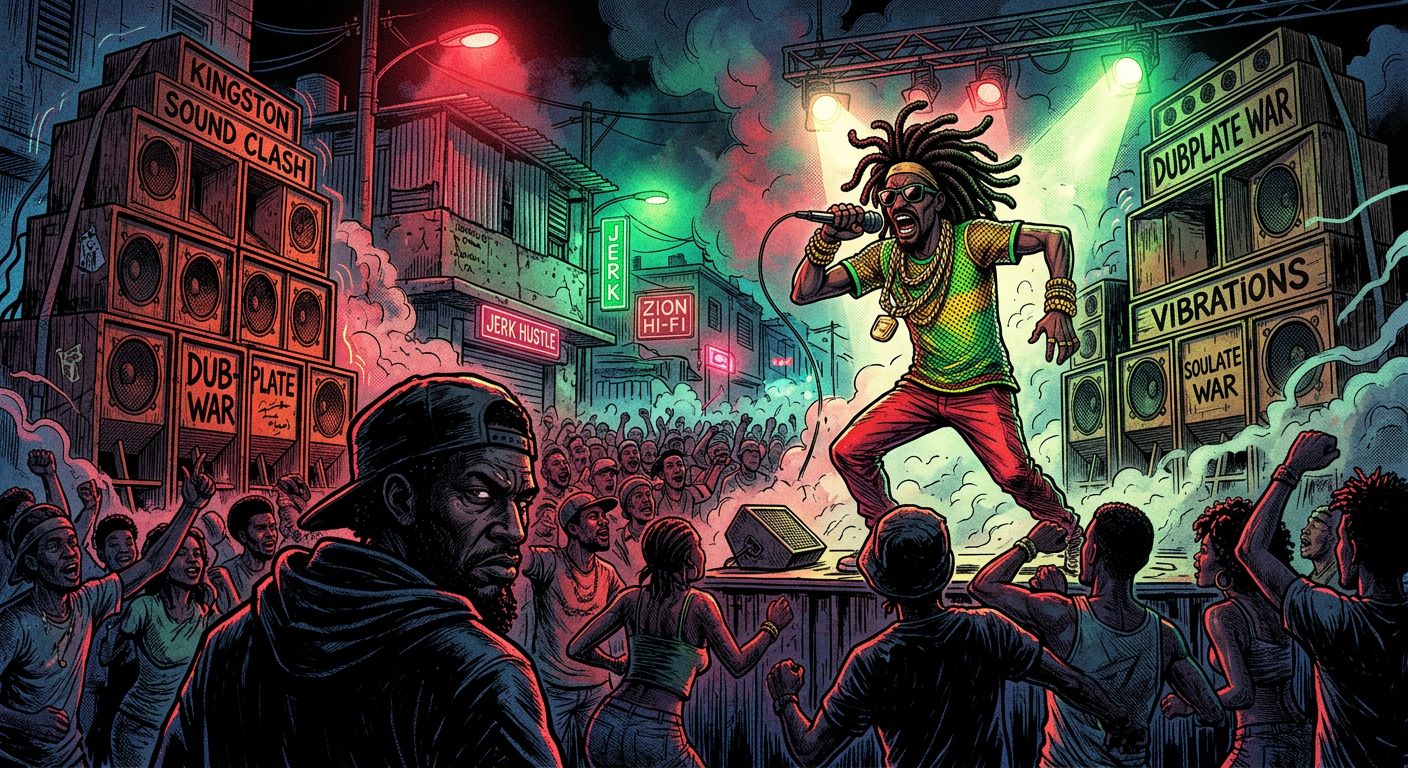
Downtown, the street vibrates, but the frequency is artificial. I slip into the clash and see him—a puppet in fake dreads lip-syncing my soul. The people are starved, feeding on plastic dubplates.
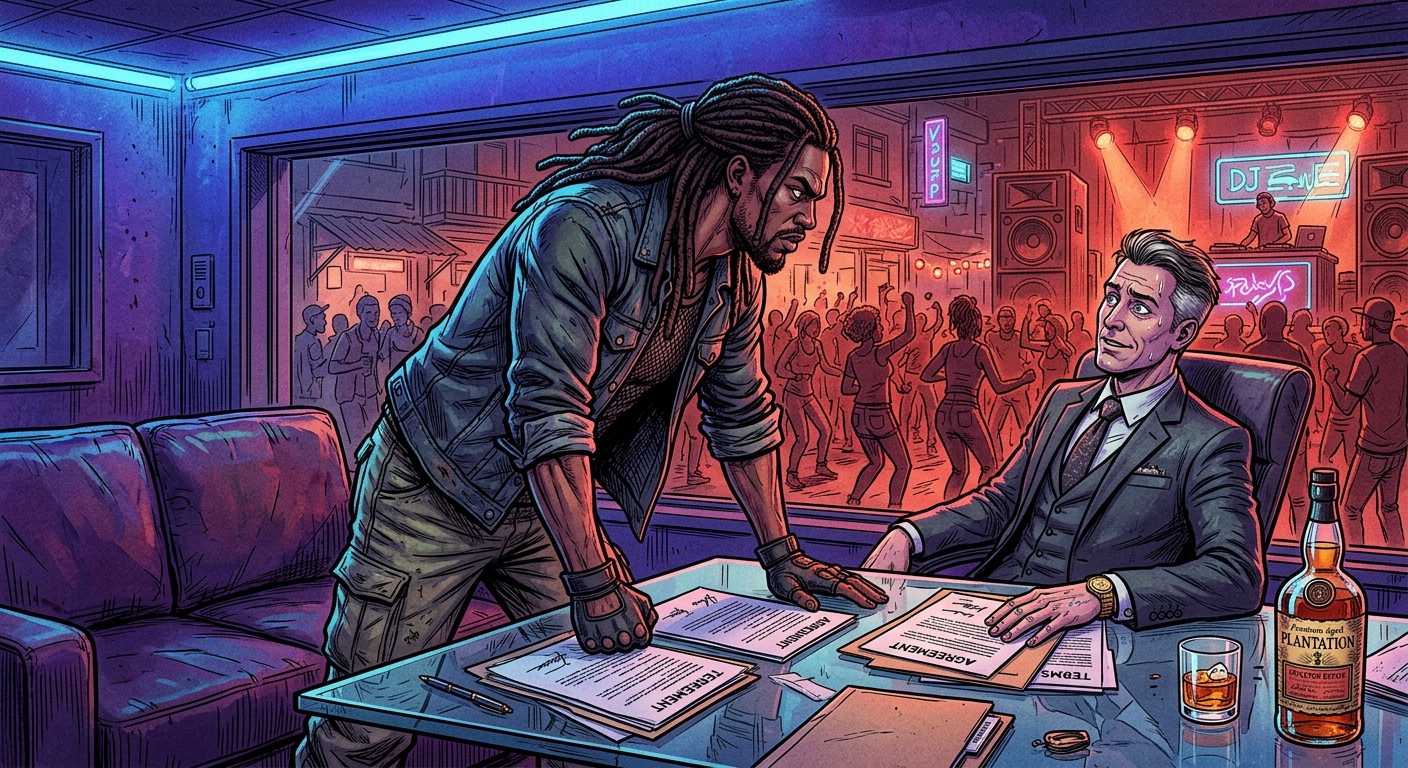
‘You’re just a ghost, bushman,’ the suit tells me, counting the street’s blood money in an air-conditioned VIP booth. ‘We modernized your struggle. We made it profitable.’ I didn’t come back to negotiate.
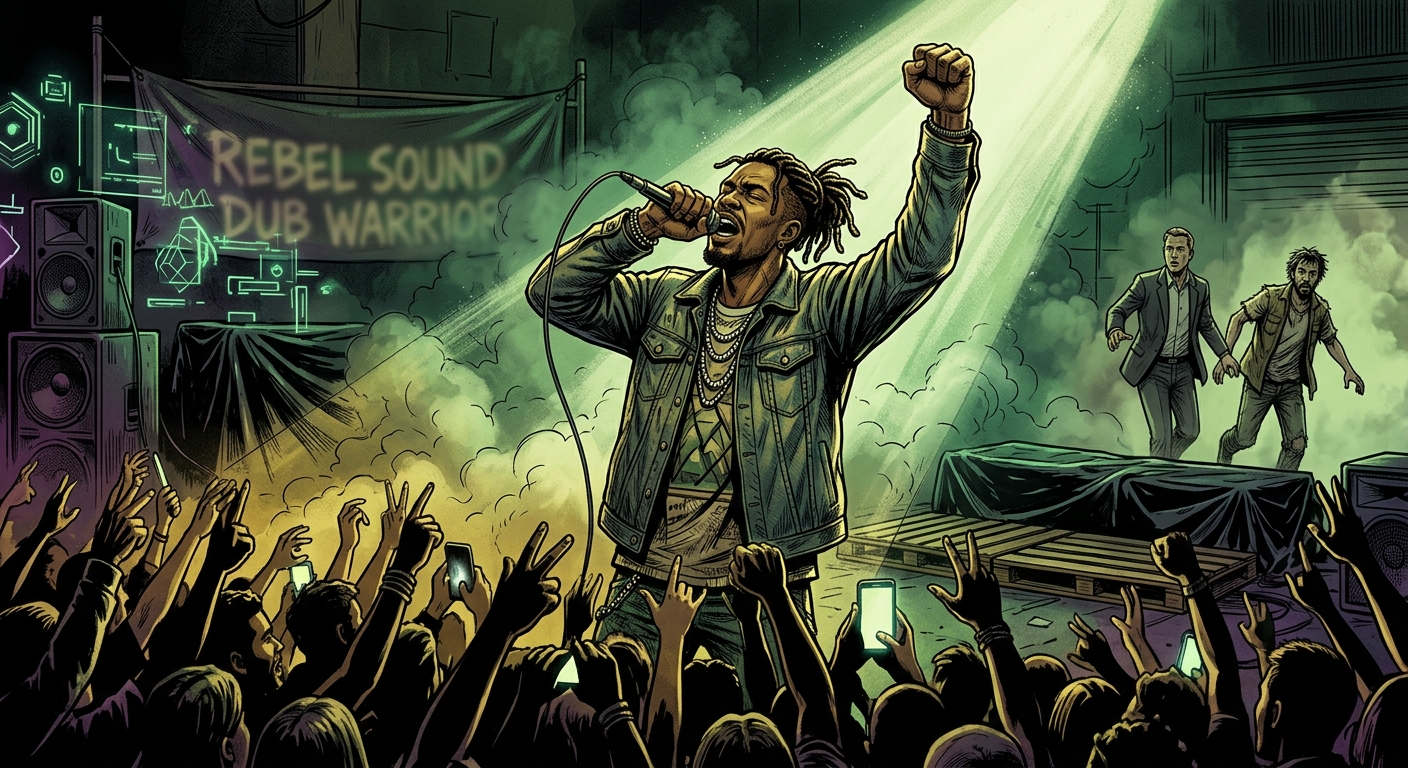
You can’t copyright the truth. I take the stage, kill the backing track, and give them the raw acoustic fire. The real Return. The streets don’t lie, and neither does the microphone.

The roar of possibility erupted from Kinshasa long before the final whistle—and it came with a Jamaican dancehall beat. When the Democratic Republic of Congo secured their first-ever World Cup qualification, the soundtrack wasn’t some orchestral triumph, but Masicka’s fiery track “Whites”, blasting through speakers and capturing a moment of pure national euphoria.
Look, qualifying for the World Cup isn’t just a sporting achievement. For the DRC, it’s a statement—a thunderclap of possibility that resonates far beyond soccer. This is a nation that’s battled decades of conflict, economic struggle, and international marginalization. And now? They’re heading to the global stage.
Masicka, the Jamaican dancehall artist, probably didn’t know his track would become an unexpected anthem of African sporting triumph. But that’s the magic of music—how it crosses borders, transcends intentions, and becomes something larger than its original context.
The team’s 2-0 victory against Benin wasn’t just a win. It was a collective exhale, a moment when an entire country saw itself differently. Players danced, fans screamed, and Masicka’s rhythms provided the perfect percussive punctuation to a historic moment.
This isn’t just about soccer. It’s about representation, about proving that narratives can be rewritten, that unexpected soundtracks can accompany unexpected victories. The DRC just rewrote its own story—one dancehall beat at a time.
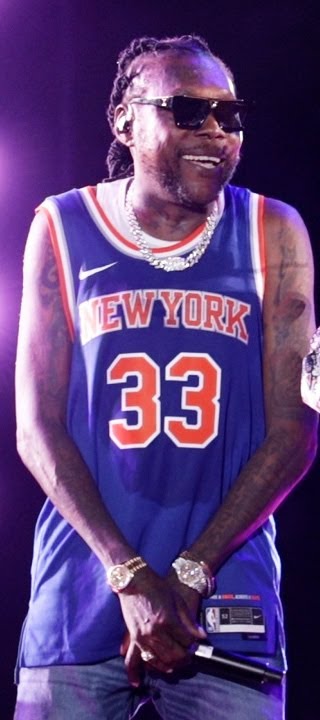
The Kingston courthouse buzzed with tension and relief Wednesday as Kahira Jones, a long-standing co-accused in the high-profile murder case involving dancehall icon Vybz Kartel, finally tasted freedom after nearly 15 years behind bars.
Jones, who was initially charged alongside Kartel for the 2011 murder of Clive “Lizard” Williams, saw his legal marathon reach a surprising conclusion. The Jamaican justice system, known for its labyrinthine processes, ultimately cleared him of the murder charges that had defined over a decade of his life.
The case itself was a seismic event in Jamaican cultural and legal circles. Vybz Kartel—arguably the most controversial and influential dancehall artist of his generation—was convicted in 2014 for Williams’ murder, receiving a life sentence. Jones, however, maintained his innocence throughout the protracted legal battle.
Court documents reveal that Jones’ defense successfully challenged the prosecution’s evidence, highlighting critical inconsistencies that ultimately led to his release. The verdict isn’t just a legal technicality—it’s a profound moment of personal redemption for a man who lost critical years of his life to an uncertain legal limbo.
Street-level conversations in Kingston suggest this isn’t just another case, but a stark commentary on Jamaica’s complex judicial system. Jones’ release reopens discussions about evidence reliability and the sometimes precarious nature of criminal prosecutions.
While Kartel remains imprisoned, Jones’ freedom represents a nuanced chapter in a story that continues to captivate Jamaica’s public imagination.
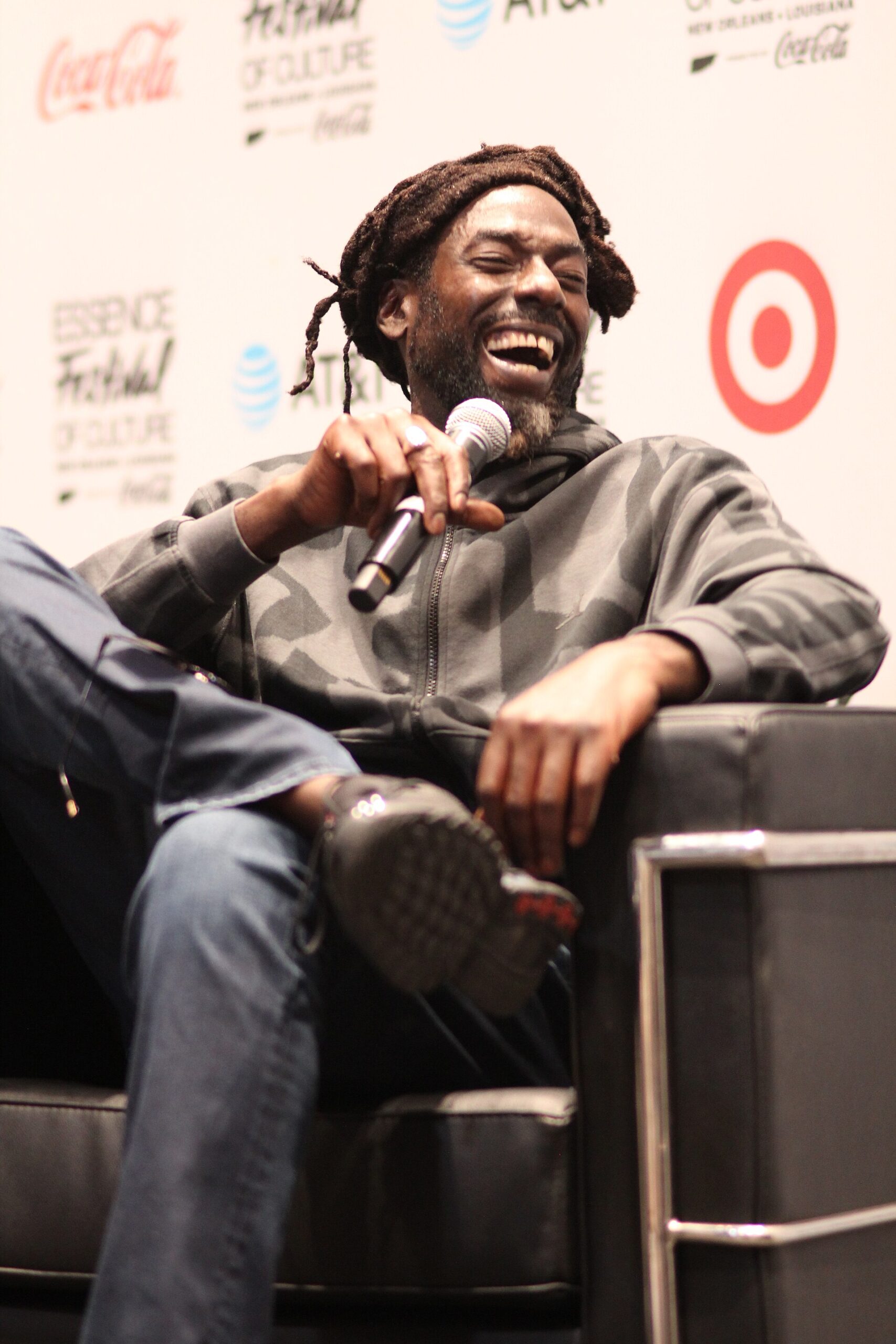
The concrete’s gonna shake when Buju Banton steps on stage.
In a move that’ll electrify South Florida’s Caribbean music scene, the international reggae icon is confirmed as the headline act for the 2026 Yard on The Lawn Festival. Hosted by the City of Tamarac on June 7, this isn’t just another concert—it’s a cultural statement during Caribbean American Heritage Month.
Vice Mayor Marlon D. Bolton’s brainchild is bringing serious heat. Banton’s anticipated performance promises a deep dive into his classic Til Shiloh era, backed by a tight five-piece live band that’ll make every reggae head remember why he’s a living legend.
But Banton’s not riding solo. Tarrus Riley and Etana are set to warm up the crowd, creating a lineup that reads like a who’s who of contemporary Jamaican music. The Tamarac Sports Complex will essentially become ground zero for a sonic explosion.
For those who know Buju’s journey—from his early dancehall days to his spiritual transformations—this performance represents more than music. It’s a homecoming, a celebration, a statement about resilience and cultural pride.
Tickets aren’t just recommended. They’re mandatory.
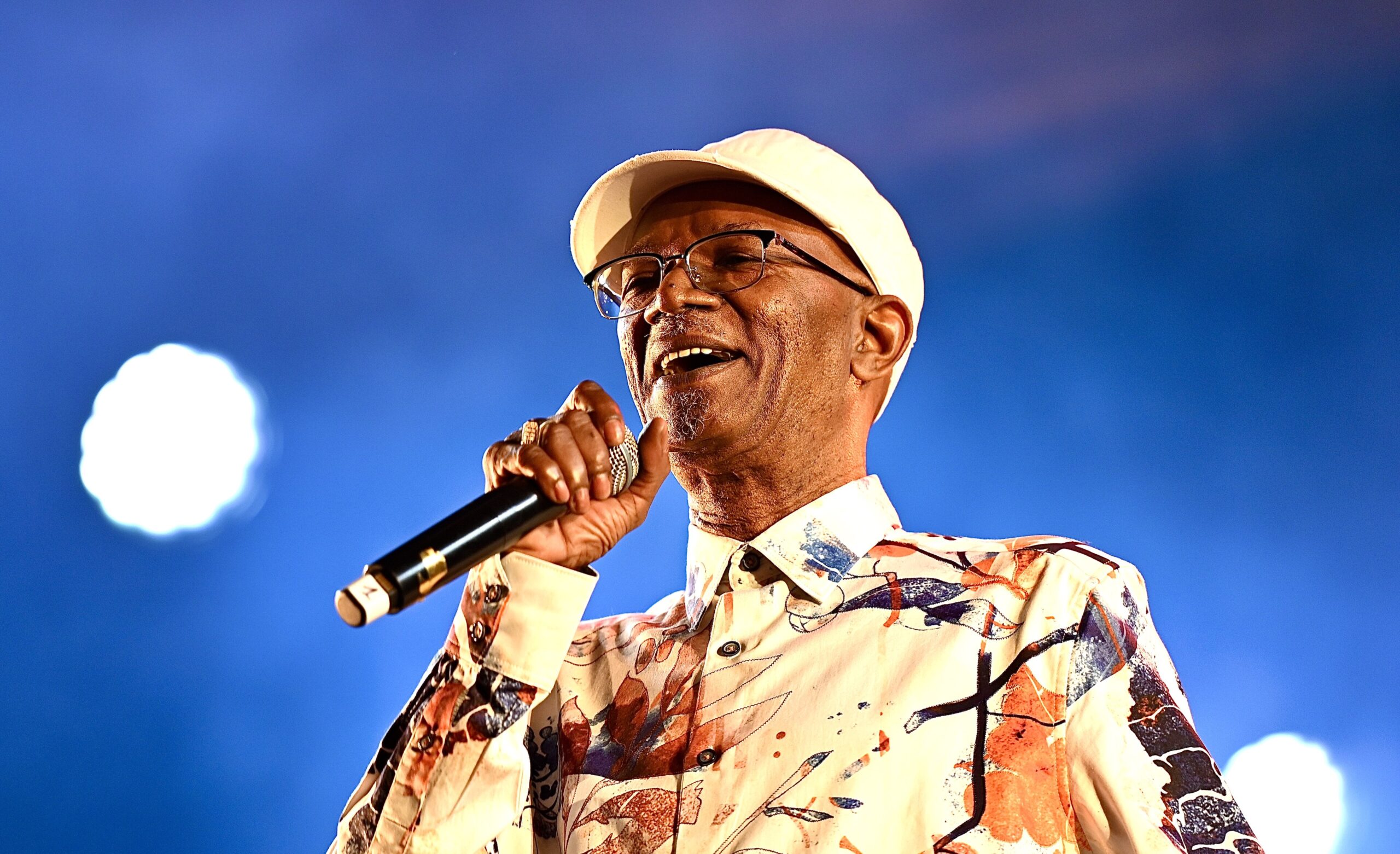
The smooth-voiced reggae veteran Beres Hammond just scored a quiet triumph that feels both overdue and perfectly timed. After decades of soul-stirring performances and international tours, the Jamaican icon has finally claimed his first official UK music certification—a silver status that speaks volumes about his persistent global appeal.
VP Records’ 39-track compilation ‘Can’t Stop a Man: The Ultimate Collection,’ dropped way back in 2003, has now officially crossed the 60,000 sales threshold. The British Phonographic Industry made it official on April 3rd, marking a milestone that Hammond himself might greet with that signature understated cool.
Look, this isn’t about explosive chart domination. It’s about a steady, simmering connection with listeners. Hammond’s music has always traveled through word of mouth and pure emotional resonance—no flashy marketing required. His UK fanbase has grown organically, built on countless tours and a sound that cuts straight to the heart.
For an artist who’s spent decades weaving romantic reggae narratives, this silver certification feels like a quiet nod of respect. Not a sudden explosion, but a slow-burning recognition of musical integrity.
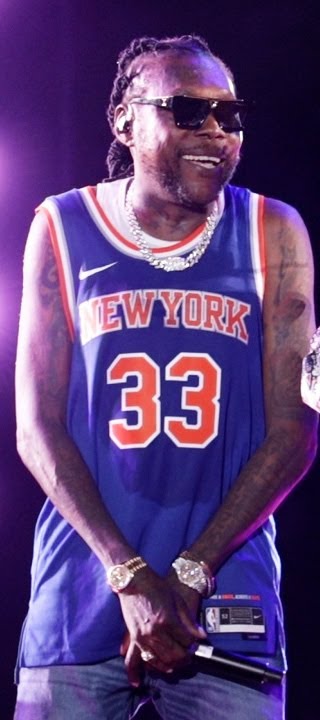
The internet broke—again. And this time, it’s because reggae and hip-hop just had an unexpected power summit.
Vybz Kartel, the incarcerated but still-reigning dancehall monarch, materialized behind a stage curtain during a recent Florida performance, sending Cardi B’s crowd into absolute pandemonium. Those few seconds? Pure digital lightning. Millions of views. Instant memes. Social media combustion.
Look, this isn’t just another viral moment. This is strategic musical chemistry that’s already rippling through the industry. Festival promoters at Reggae Sumfest know exactly what they’re doing, watching ticket sales jump a staggering 40 percent in just two days after the clip dropped.
The July 18, 2026 event at Plantation Cove in St. Ann is shaping up to be more than a concert. It’s becoming a cultural touchpoint—where an imprisoned dancehall legend and a Grammy-winning rap powerhouse might just redefine cross-genre collaboration.
Kartel emerging from behind that curtain wasn’t just an entrance. It was a statement. And in the world of music, those are the moments that people remember long after the last beat drops.
Tickets are going fast. Just saying.
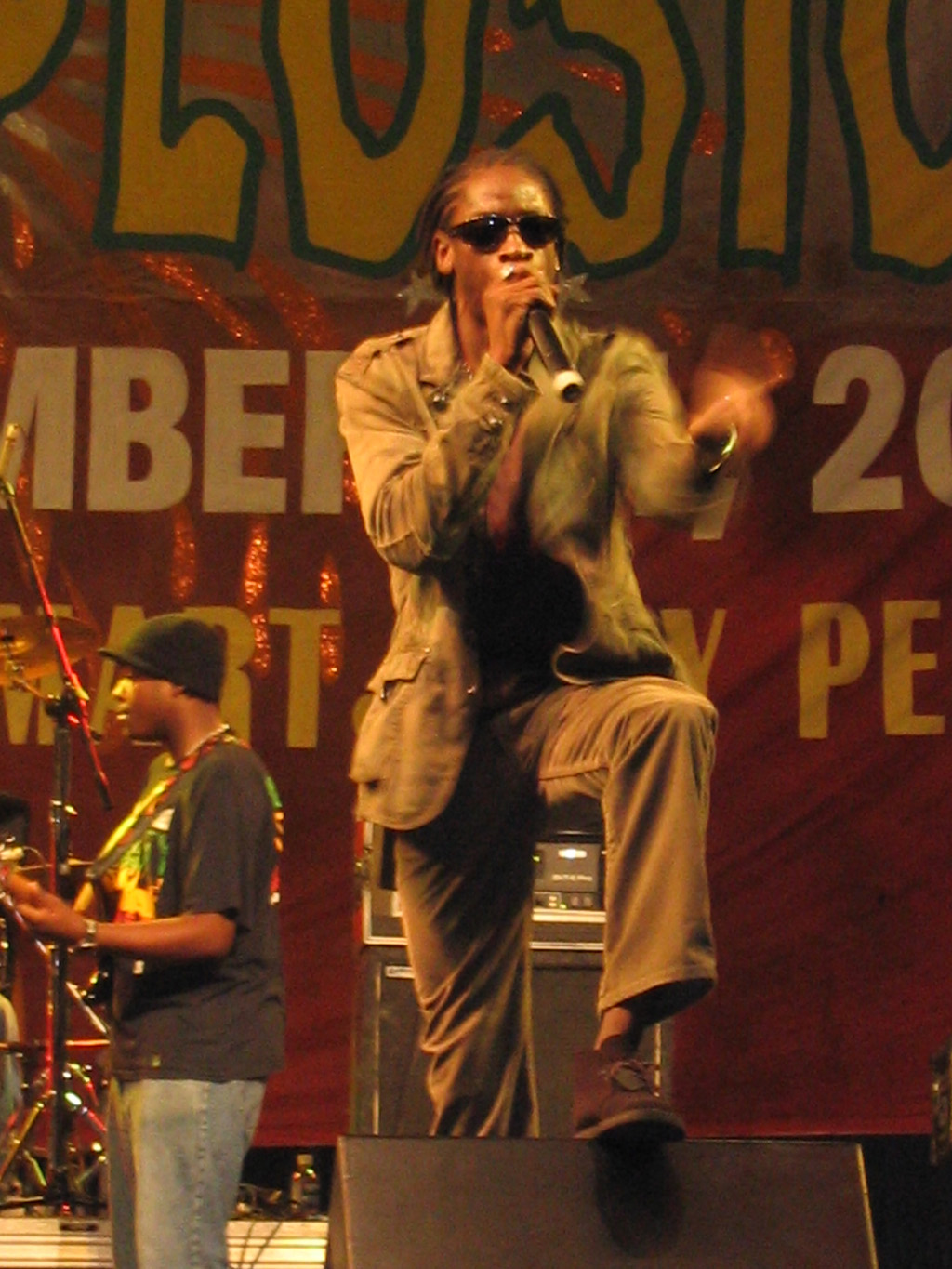
The concrete arteries of Kingston are about to be rewritten with one name: Bounty Killer. This ain’t just another municipal plaque—this is a seismic recognition of a cultural icon who’s spent decades transforming Jamaica’s musical and social landscape.
Look, when the Kingston and St. Andrew Municipal Corporation decides to rename a chunk of Riverton City road and hand over the city’s key, it’s more than ceremonial. It’s a street-level validation of Rodney Price—better known as Bounty Killer—whose razor-sharp lyrics and relentless community work have defined a generation.
Riverton City isn’t just any neighborhood. It’s the gritty, unfiltered heart of Kingston where Bounty Killer emerged, transforming raw urban pain into thunderous musical poetry. The road bearing his name will now stand as a living monument to an artist who never just performed culture, but breathed it.
This isn’t some sanitized municipal gesture. This is Kingston recognizing one of its own—a dancehall revolutionary who used music as both weapon and bridge, connecting marginalized communities through sound and solidarity. The road renaming feels like urban poetry: streets literally inscribing the narrative of a hometown hero.
For decades, Bounty Killer has been more than an artist. He’s been an advocate, a voice for the voiceless, a force that cut through Jamaica’s musical and social barriers with uncompromising energy. Now the city confirms what the streets have always known.
Respect runs deep. And in Kingston, it runs right through Bounty Killer’s newly christened road.